Impurities are concentrated along the solidification direction.
Technology guide
Comparing segregation purification and zone refining
Both approaches use the distribution of impurities between solid and liquid phases. A process name alone does not prove suitability: chemistry, uniformity, test scope, form, and project requirements remain decisive.
Technical editorial: HUABO Advanced Aluminium · Updated
Another stage can support tighter purity targets.
Relevant to smaller sections or specialised purification goals.
Compare CoA, limits, form, scale, and acceptance criteria.
01
Shared physical principle
During solidification, many dissolved elements distribute differently between solid and liquid phases. A controlled process can concentrate impurities in a region that is later separated.
The result depends on the element, feed material, thermal profile, process control, and subsequent sampling.
02
Directional and secondary segregation
Directional solidification moves a solidification front through the material. A secondary segregation stage repeats the principle using an already refined intermediate.
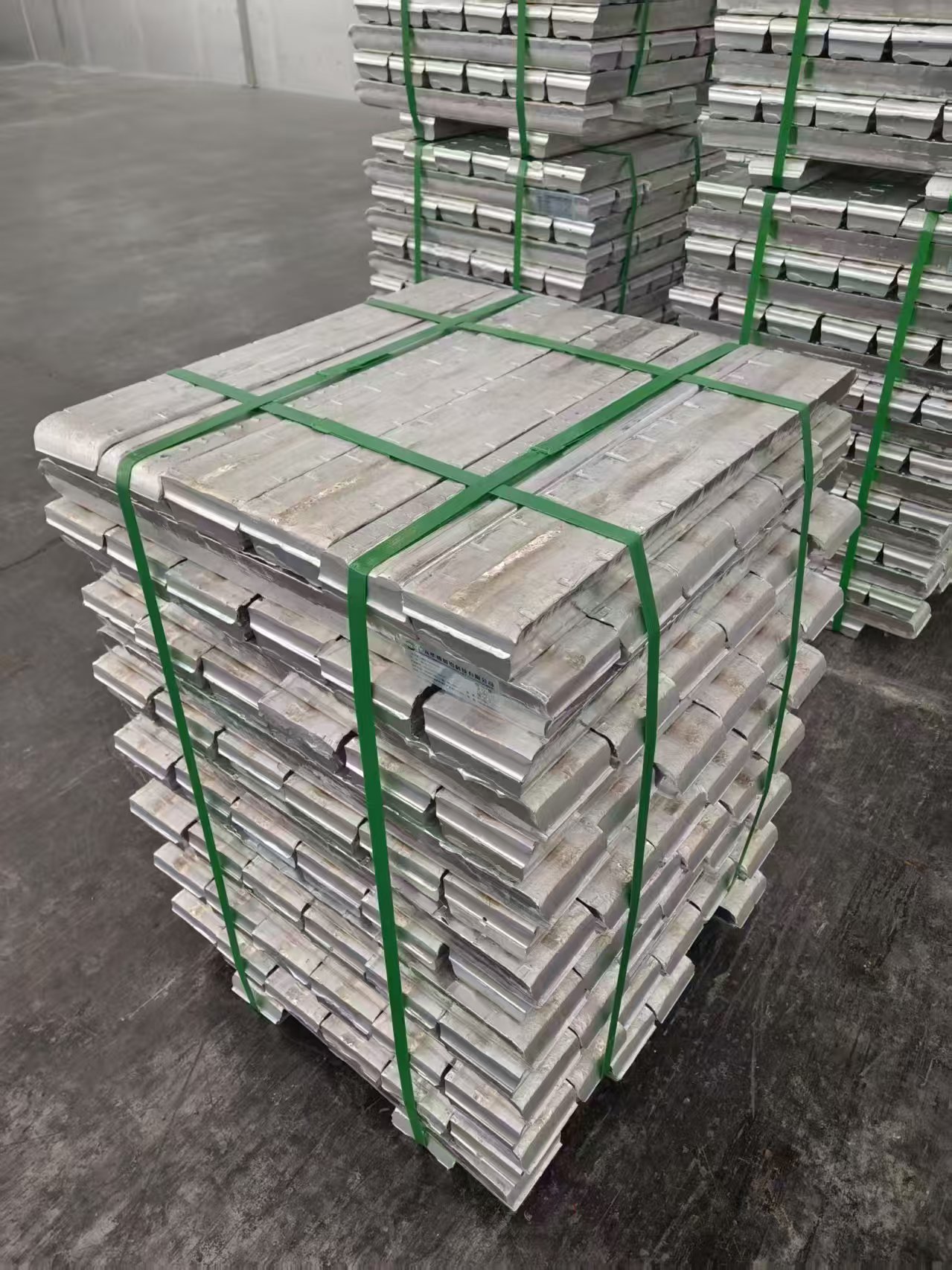
HUABO describes a multi-stage segregation route for 3N2, 3N5, 3N8, and 4N. A target up to 4N5 is reviewed only by project.
03
Place zone refining in context
Zone refining moves a narrow molten zone repeatedly through a solid bar or section. It can be relevant to specialised tasks, but is not automatically the best route for every form or quantity.
A process label alone does not establish universal purity, cost, or scale superiority.
04
Questions for a technical RFQ
Request actual element limits, sampling and test logic, form, dimensions, batch size, CoA scope, and deviations.
Compare the data with the purchase specification. The route matters where it reproducibly supports the required outcome.
FAQ
Short answers for procurement and engineering
Is zone refining always purer than segregation?
No. Results depend on elements, feed material, process control, repetition, and sampling. Compare actual analytical data.
Which route does HUABO describe?
HUABO describes multi-stage segregation purification for its published standard grades from 3N2 through 4N.
Which data belongs in the comparison?
Element limits, sampling, test method, uniformity, form, quantity, CoA, and acceptance criteria.
RFQ
Send a reviewable inquiry
State grade or target chemistry, form, total quantity, application, documents, destination, and timing. Commercial terms are confirmed after review.