Standard grades span minimum aluminium contents from 99.90% to 99.99%, with batch composition data.
Research material and project quantities
High-purity aluminium for research, laboratory trials, and prototypes
Start with the experiment: required aluminium purity, impurity limits, geometry, quantity, and the evidence needed for release. HUABO's standard grades cover 3N2 through 4N. A 4N5 target up to 99.995%, a small trial quantity, or a non-standard form can be discussed, but must be technically and commercially confirmed for the individual project.
3N2-4N standard grades
4N5 by project inquiry
Batch-specific CoA
Special forms checked first
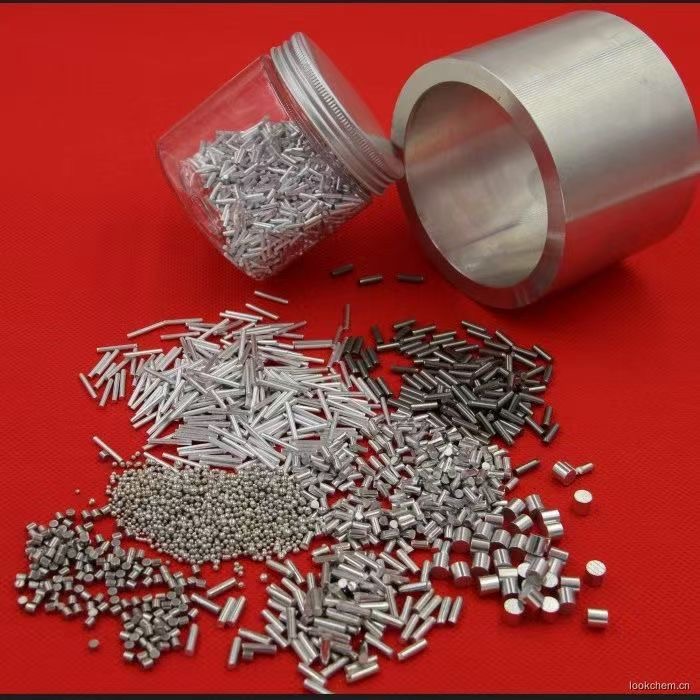
A target up to 99.995% can be discussed when the application and critical impurity limits are stated.
Each shipment includes a batch-specific Certificate of Analysis for material identity and incoming review.
Trial quantity, special geometry, tolerances, packaging, and timing are confirmed before quotation.
A useful first inquiry
Define the experiment before choosing a purity label
Total aluminium content is only one decision variable. A useful material discussion identifies which impurities or physical constraints could affect the experiment and which requirements are merely preferred.
Technical information
- Research application, process step, and the role of aluminium in the setup.
- Minimum aluminium content plus maximum limits for any critical impurity elements.
- Required form, dimensions, tolerances, surface condition, and drawing revision where applicable.
- Any prescribed analysis method, detection limit, sampling rule, or additional test report.
- Packaging or cleanliness constraints that matter once the material enters the laboratory.
Purity discussion
A practical starting point for grade selection
The table helps structure a technical conversation. Final suitability depends on the experiment, element-specific limits, material form, and the receiving team's acceptance criteria.
| Grade | Published minimum Al | Use as a starting point when | Clarify in the inquiry |
|---|---|---|---|
| 3N2 | >=99.90% | The project needs documented purity above standard commercial aluminium without the tightest impurity window. | Whether Si, Fe, or another element—not total Al alone—sets the acceptance limit. |
| 3N5 | >=99.95% | A tighter documented composition is needed while cost and availability still influence early trials. | The maximum tolerable values for the impurities that affect the process. |
| 3N8 | >=99.98% | The experiment is more sensitive to trace impurities and requires extended composition review. | Requested element list, reporting limits, sample basis, and release documents. |
| 4N | >=99.99% | The specification calls for a documented 4N supply basis and close control of trace elements. | Critical limits, geometry, packaging, and whether standard CoA data is sufficient. |
| 4N5 | Up to 99.995% by project inquiry | The application or internal specification explicitly requires a target beyond the standard 4N basis. | Target purity, element-specific ceilings, form, quantity, testing, and qualification plan. |
Grade notation does not replace an agreed chemical specification. Acceptance should be based on the composition limits and documentation stated in the purchase specification.
Small quantities and special forms
Confirm feasibility before designing the experiment around a catalogue assumption
HUABO publishes 8-20 kg small-format ingots as the standard supply basis. Research requests often need less material or a different geometry, so quantity and conversion requirements should be reviewed together.
If the required form is not an ingot
State wire, granules, cut pieces, plate-like blanks, or a drawing-based part as a requested form—not as assumed stock. Include dimensions, tolerances, surface expectations, and whether machining or another conversion step is acceptable. HUABO will confirm what is feasible for the requested purity and quantity.
- Attach a controlled drawing for any geometry that cannot be described unambiguously.
- Define the required material condition and the surfaces that must remain protected.
- Ask how traceability is maintained if the material is cut, divided, or converted.
Research sourcing FAQ
Questions to resolve before requesting material
Clear answers reduce iteration between researchers, purchasing, quality, and the supplier.
Which high-purity aluminium grades can a research team discuss with HUABO?
HUABO's standard portfolio covers 3N2, 3N5, 3N8, and 4N, from at least 99.90% to at least 99.99% aluminium. A requirement for 4N5 up to 99.995% can be reviewed as a project inquiry.
Can HUABO supply a small quantity for a laboratory or prototype?
Small-quantity requests are reviewed against grade, required form, current availability, and project context. There is no single published MOQ for every request, so state the trial quantity and any expected follow-on demand.
Are wire, granules, cut pieces, or drawing-based parts standard products?
The published standard supply basis is 8-20 kg small-format ingots. Any other form, dimensions, tolerances, surface condition, and packaging must be checked and confirmed for the specific project before quotation.
What composition evidence is available for research procurement?
A batch-specific Certificate of Analysis is supplied with each shipment as standard. Identify critical impurity limits and any additional testing, reporting, or detection-limit requirements in the inquiry.
Continue the evaluation
Grade data, documents, and a complete inquiry
Use the relevant evidence and decision tools before sending the first request.
Research RFQ checklist
Copy a structured request covering purity, impurities, form, quantity, packaging, testing, and timing.
Open RFQ checklist4N or 4N5?
Compare the documented 4N supply basis with a project-specific target up to 99.995%.
Open purity comparisonSupplier documents
Review CoA, RoHS, ISO, green-power evidence, and the information needed for supplier approval.
Open document guideTrial quantity and qualification lot
Plan material sample, qualification lot, pilot trial, and possible follow-on demand with distinct review goals.
Open qualification guideCustom specification
Coordinate chemistry targets, geometry, packaging, and project requirements.
Open specification pageSecondary segregation
Understand the production route behind the higher-purity grades.
Open technology pageProject contact
Send the experiment requirements, not just a grade name
A concise specification helps confirm grade, quantity, form, evidence, and feasibility in one review.
Sales Representative
Felix Zhao
Email: felix.zhao@huabo-alu.de
Mobile: +4915906479598
Include application, target purity, critical impurities, requested form, trial quantity, documents, and time window. Price, MOQ, availability, and lead time are confirmed for the reviewed specification.