Sample, qualification lot, pilot, and follow-on demand support different decisions.
Plan supplier qualification
Plan trial quantities for high-purity aluminium supplier qualification
A small quantity becomes useful only when the decision it supports is clear. Separate material sample, qualification lot, pilot trial, and possible follow-on demand, each with its own specification, test basis, and approval rule.
Technical editorial: HUABO Advanced Aluminium · Updated
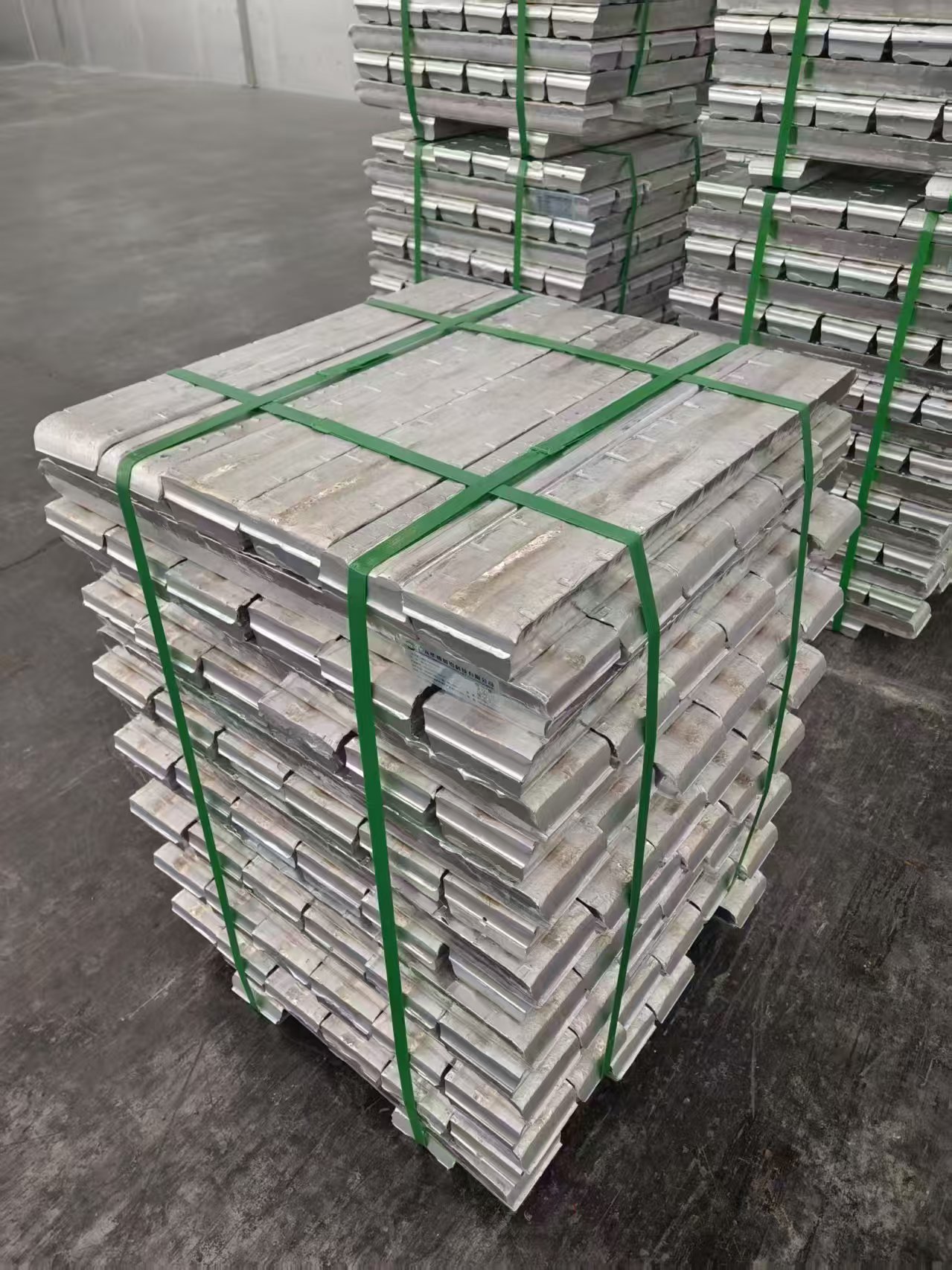
Identify the specification and acceptance criteria before the trial.
Material identity and agreed report scope belong in the result record.
Define pass, conditional approval, or rejection for the project.
Four stages, four decisions
Record trial quantity and approval status separately
These labels are a HUABO working aid for an initial inquiry, not mandatory standard stages. Define the decision that each stage should support for your project.
| Stage | Question to resolve | Record in the RFQ | Do not infer automatically |
|---|---|---|---|
| Material sample | Are the grade, form, and evidence basis suitable for an initial internal assessment? | Target chemistry, form, required net quantity, trial purpose, and documents. | No production approval and no promise that a sample fully represents later deliveries. |
| Qualification lot | Does an identified lot meet the acceptance criteria set in advance? | Specification revision, batch link, CoA scope, testing responsibility, and decision rule. | No blanket approval of other batches, forms, or specifications. |
| Pilot trial | How does the assessed material behave in the intended pilot process? | Process step, material and process variables, observations, and approval decision. | No universal application suitability or guaranteed production performance. |
| Follow-on demand | What quantity may be needed after a successful approval? | Current firm quantity separately from non-binding forecast, time window, and call-off concept. | A forecast is not an order, reservation, or availability commitment. |
On small screens: scroll the table horizontally.
Working template
Prepare a minimum qualification plan
The blank TXT worksheet separates specification revision, firm trial quantity, piece count, batch and CoA link, testing responsibility, decision rule, and possible follow-on demand.
01
Begin with the decision, not a blanket kilogram figure
First define whether the quantity supports material screening, supplier qualification, a pilot trial, or sourcing after approval. Form, piece count, net quantity, test scope, and time window should follow from that purpose.
HUABO therefore publishes no universal trial quantity. The 8–20 kg range is the weight of one standard ingot, not an MOQ and not automatically the right quantity for a trial.
02
Keep one controlled assessment basis
Identify the specification by number and revision. Put grade or target chemistry, critical element limits, form, dimensions, packaging, and expected CoA scope into the same inquiry.
If a sample will support later steps, state which characteristics must align with the intended future supply basis and which may differ. The supplier must confirm what can be reviewed for the specific project.
03
Agree testing and approval before material arrives
Define who performs each test, which unit, method, or reporting limit is required, and how the supplier CoA and buyer data will be assessed together. Link results to an unambiguous batch or material identifier.
Record in advance what counts as pass, conditional approval, or rejection, who decides, and whether retesting is allowed. Borderline results can then be handled against an agreed rule rather than negotiated after the trial.
04
Separate firm order quantity from possible scale-up
State the firm trial quantity needed now separately from possible monthly, annual, or project demand after approval. Give follow-on demand a realistic time window and label it explicitly as a forecast.
Price, MOQ, availability, lead time, and any call-off structure are confirmed after review of chemistry, form, tests, packaging, total quantity, and current planning. A forecast is neither an order nor a material reservation.
Related resources
Continue the technical review
Research and small quantities
Prepare grade, form, quantity, and evidence for laboratory and development demand.
Research and small quantitiesBatch testing and acceptance
Connect batch identity, test method, reporting limit, and approval.
Batch testing and acceptanceReview supplier evidence
Interpret CoA, RoHS, ISO, and their scope for pre-qualification.
Review supplier evidenceCompare 3N8 and 4N
Review published typical data and define critical element limits.
Compare 3N8 and 4NFAQ
Short answers for procurement and engineering
What is the right trial quantity for supplier qualification?
There is no universal kilogram figure. Quantity must fit the planned test, piece count, form, specification, and decision rule, and is confirmed by project.
Is a Certificate of Analysis enough to approve a supplier?
A CoA records agreed data for an identified batch. Your qualification plan defines any additional tests, documents, and decisions required for supplier approval.
Should possible production demand be included in the inquiry?
Yes, as a separately labelled forecast. The firm trial quantity and possible follow-on demand must not be presented as the same order.
Is 8–20 kg the recommended trial quantity or MOQ?
No. The range describes the weight of one HUABO standard ingot. MOQ and the suitable project quantity are confirmed after RFQ review.
Data basis and limitations
This page is a HUABO working aid for a project-specific initial inquiry, not a mandatory standard or a promise of suitability, quantity, or availability. Published product data supports screening; acceptance and qualification depend on the agreed specification, the actual batch CoA, and the buyer’s test rules.
Published HUABO product matrix · RFQ working template (.txt)
RFQ
Send a reviewable inquiry
State grade or target chemistry, form, total quantity, application, documents, destination, and timing. Commercial terms are confirmed after review.