Tighter limits can require additional review, testing, or selection.
Understand a quotation
High-purity aluminium: compare prices on the same quotation basis
A price per kilogram is meaningful only alongside specification, quantity and delivery scope. HUABO quotes after reviewing your RFQ; this guide shows which details to align before comparing prices.
Technical editorial: HUABO Advanced Aluminium · Updated
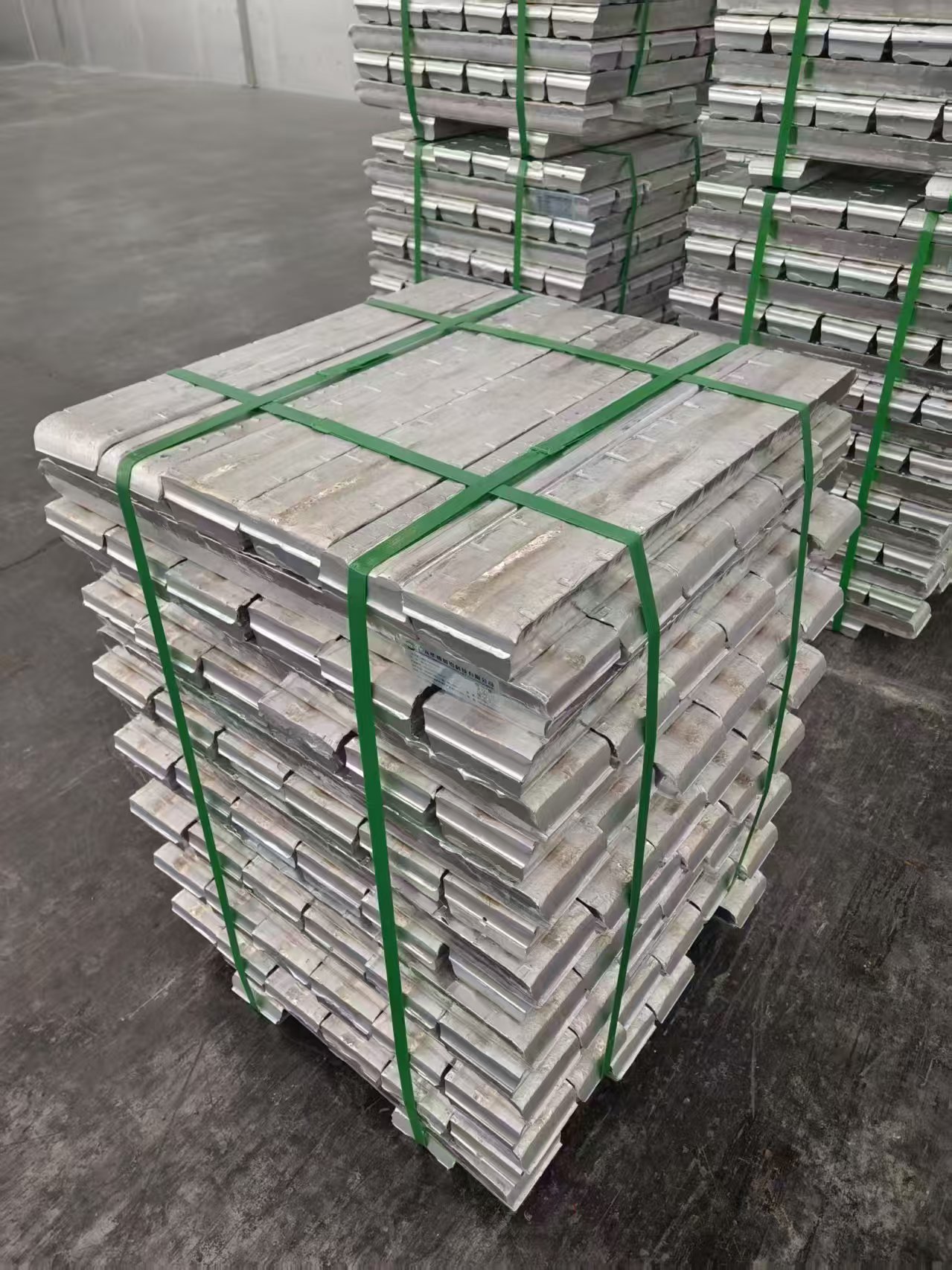
Dimensions, tolerances, and secondary work change effort.
Total quantity and call-off structure should be stated separately.
Packaging, documents, and logistics must be comparable.
Procurement worksheet
Six items to align before comparing aluminium prices
Transfer the confirmed details of each quotation into this structure. A blank field is an open question, not an automatically included service.
| Item | Confirm in each quotation | Comparison pitfall |
|---|---|---|
| Chemistry | Minimum Al and each critical element maximum, with units | A grade label without element limits is not a complete specification. |
| Quantity | Total quantity, quantity per call-off and individual ingot weight separately | Do not compare a price per kg with a price per ingot without its weight. |
| Testing | Method, reporting limits, CoA scope and additional tests | A typical website table does not replace batch-specific testing. |
| Form and packaging | Dimensions, tolerances, contact material and marking | Material, secondary work and packaging may have different quoted boundaries. |
| Delivery scope | Named destination, delivery term and included services | Do not silently assume freight, insurance or import costs are included. |
| Commercial basis | Currency, offer validity, payment terms and timing basis | Compare confirmed items only; flag open points separately. |
A lower material price is not yet a comparable total price
First check that both suppliers quote the same confirmed total quantity and specification. List material, agreed additional tests, secondary work, packaging and transport separately; leave unpriced items unresolved.
Only when scope and currency align can the confirmed total amount be divided by the confirmed net material quantity in kg. That comparison value is not a price forecast. Chemistry, CoA and delivery-date deviations still belong in the decision.
01
Technical factors
Purity grade, maximum limits for individual elements, test methods, and reporting limits determine which batch or process route can be reviewed.
A standard ingot is costed differently from a cut, machined, or drawing-based form. Custom forms are confirmed only after geometry, tolerance, and surface requirements are reviewed.
02
Quantity and production framework
Trial quantity, initial demand, and expected follow-on demand should be stated separately. The 8–20 kg range describes one standard ingot, not a blanket MOQ.
Availability, lot size, and timing depend on the reviewed grade, total quantity, and production planning. There is therefore no universal lead time.
03
Testing, documents, and packaging
The required CoA scope, additional analyses, translations, and project-specific evidence should be defined before quotation.
Contact materials, individual or bulk packaging, marking, protection, destination, and delivery terms also shape the quoted scope.
04
Compare quotations on the same basis
Compare only offers based on the same chemistry, form, quantity, documentation, packaging, delivery term, and destination.
Ask every supplier to identify deviations. A lower price on a different technical or logistics basis is not a like-for-like comparison.
Related resources
Continue the technical review
3N8: 99.98% and typical composition
Review Si, Fe and other reported elements in wt.% and ppm.
3N8: 99.98% and typical composition4N: 99.99% and technical inquiry
Separate minimum content, typical data and project terms.
4N: 99.99% and technical inquiryCompare purity grades with figures
Prepare the next procurement step using the actual data.
Compare purity grades with figuresRead a Certificate of Analysis (CoA)
Check batch identity, test basis, units and acceptance together.
Read a Certificate of Analysis (CoA)FAQ
Short answers for procurement and engineering
Why is there no public price per kilogram?
Grade, element limits, form, quantity, testing, packaging, and delivery scope must be reviewed before a reliable quotation.
When are MOQ and lead time confirmed?
After review of the complete RFQ and current availability or production planning.
How should quotations be compared?
Use the same specification, quantity, documentation, packaging, delivery term, and destination, with deviations shown separately.
Data basis and limitations
Data basis: HUABO’s published product tables (not independent verification or a delivery CoA). Conversions are identified as worked calculations. Procurement questions are a working aid, not a blanket technical approval.
Published HUABO product matrix · RFQ working template (.txt)
RFQ
Send a reviewable inquiry
State grade or target chemistry, form, total quantity, application, documents, destination, and timing. Commercial terms are confirmed after review.