Published typical HUABO batch value: 99.9226%.
Buyer guide
Buying high-purity aluminium: compare 3N2 to 4N
HUABO’s 3N2, 3N5, 3N8 and 4N grades specify minimum Al contents of 99.90%, 99.95%, 99.98% and 99.99%. Choose against both that minimum and agreed individual element limits, not the N-grade alone.
Technical editorial: HUABO Advanced Aluminium · Updated
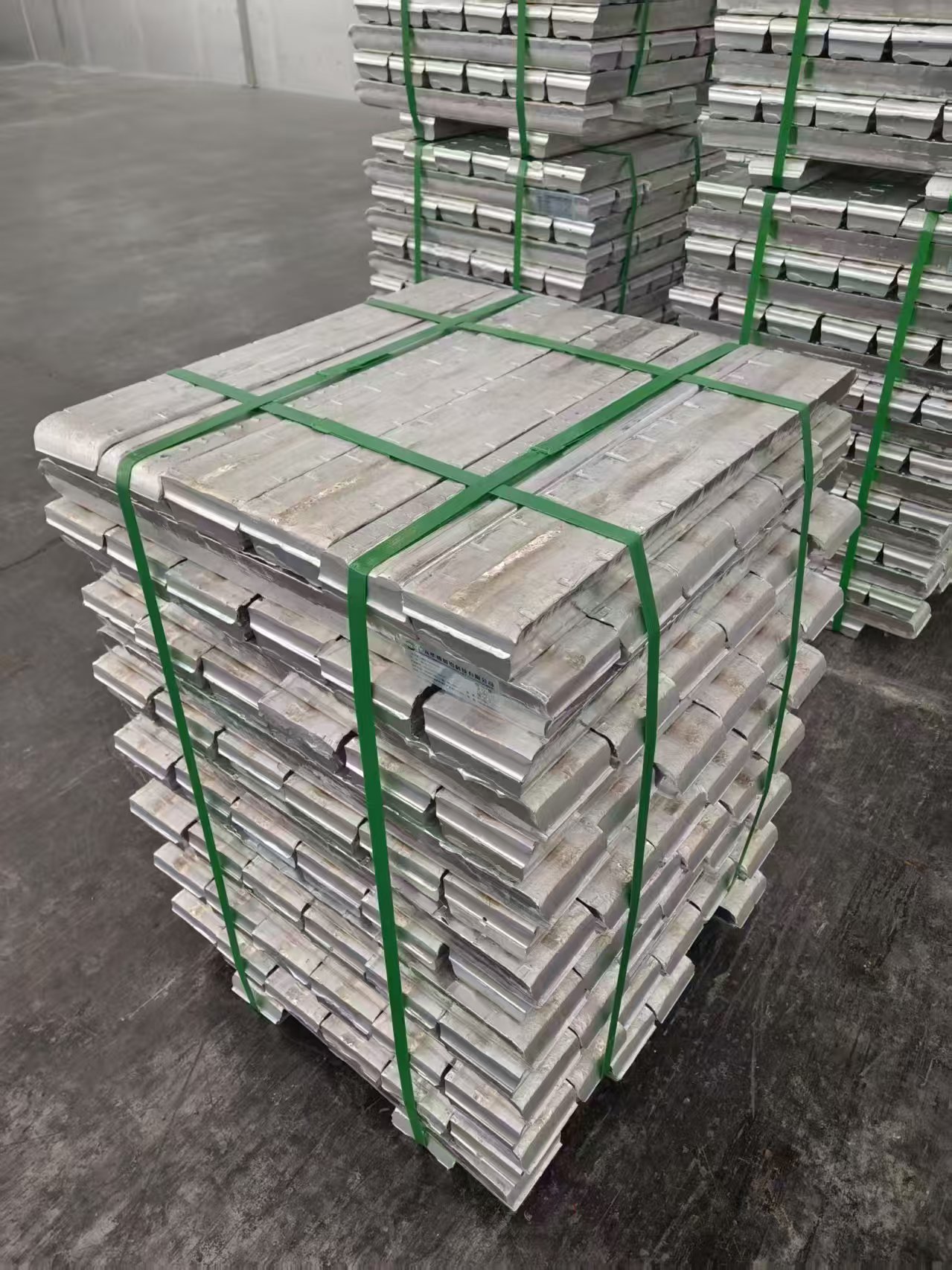
Published typical HUABO batch value: 99.9562%.
Published typical HUABO batch value: 99.9847%.
Published typical HUABO batch value: 99.9936%.
Side-by-side comparison
99.90%, 99.95%, 99.98% or 99.99% aluminium?
Start with the minimum content your specification requires, rather than assuming that the highest number is automatically the right purchase.
| HUABO grade | Minimum Al (wt.%) | Calculated remainder ceiling (ppm by mass) | Typical Al value (wt.%) |
|---|---|---|---|
| 3N2 | ≥99.90 | 1,000 | 99.9226 |
| 3N5 | ≥99.95 | 500 | 99.9562 |
| 3N8 | ≥99.98 | 200 | 99.9847 |
| 4N | ≥99.99 | 100 | 99.9936 |
On small screens: scroll the table sideways.
Calculation: (100 − minimum Al in wt.%) × 10,000 = remainder in ppm by mass. This is a calculated ceiling from the purity statement, not a measured sum or a limit for an individual element. Grade labels and typical values refer to HUABO’s published range.
Worked comparison using published HUABO values
3N8 and 4N: compare Si and Fe individually too
The typical 3N8 silicon value of 0.0032 wt.% converts to 32 ppm; the 4N value of 0.0015 wt.% converts to 15 ppm. For iron, 0.0021 wt.% for 3N8 is 21 ppm, and 0.0011 wt.% for 4N is 11 ppm.
The conversion makes the same published numbers comparable. It does not establish variation between batches or suitability for your application. Agreed element limits and analysis of the actual delivery batch are still needed.
01
Separate total purity from element limits
An N-grade describes minimum aluminium content. It does not automatically show whether one element such as Si, Fe, Cu, Zn, or Ga is low enough for the buyer.
State every acceptance-critical maximum alongside minimum aluminium content, including units and any required test or reporting limit. Published HUABO values are typical batch data, not a purchase specification.
02
Define form, unit weight, and total quantity
The standard basis is individual 8–20 kg ingots to YS/T665-2018. That range is the weight per ingot, not a minimum order quantity.
State total quantity, piece count, dimensions, tolerances, and packaging separately. Small quantities, research, pilot demand, and custom forms are reviewed by project.
03
Define documents and project stage
Identify whether the project is research, prototype, qualification, pilot, or recurring production. This places the trial quantity and possible follow-on demand in context.
Specify which elements the batch Certificate of Analysis should report. Price, MOQ, availability, and lead time are confirmed only after specification review.
04
When to ask for a 4N5 review
4N5 up to 99.995% is not a published standard grade. A buyer can submit target chemistry, application, total quantity, and test scope for feasibility review.
Higher nominal total purity is not automatically the technically or commercially correct choice. Actual element limits and project acceptance criteria remain decisive.
Related resources
Continue the technical review
3N8: 99.98% and typical composition
Review Si, Fe and other reported elements in wt.% and ppm.
3N8: 99.98% and typical composition4N: 99.99% and technical inquiry
Separate minimum content, typical data and project terms.
4N: 99.99% and technical inquiryCompare quotations on the same basis
Prepare the next procurement step using the actual data.
Compare quotations on the same basisRead a Certificate of Analysis (CoA)
Check batch identity, test basis, units and acceptance together.
Read a Certificate of Analysis (CoA)FAQ
Short answers for procurement and engineering
Is “4N aluminium” enough for a quotation?
No. Add critical element limits, form, total quantity, application, documents, destination, and target date.
Is 8–20 kg the minimum order quantity?
No. It is the weight of an individual standard ingot. MOQ and total quantity are confirmed by project.
Are typical values guaranteed limits?
No. Published typical batch data provides context; the agreed purchase specification and actual batch CoA govern acceptance.
Data basis and limitations
Data basis: HUABO’s published product tables (not independent verification or a delivery CoA). Conversions are identified as worked calculations. Procurement questions are a working aid, not a blanket technical approval.
Published HUABO product matrix · RFQ working template (.txt)
RFQ
Send a reviewable inquiry
State grade or target chemistry, form, total quantity, application, documents, destination, and timing. Commercial terms are confirmed after review.